






2023 Will Be Very Good for These Zodiac Signs!
6 Ocak 2023
The Skin’s Top 9 Enemies!
17 Ocak 2023
Two concepts frequently heard by those who use anti-aging dermocosmetic products are retinol and retinal… However, retinol and retinal, which play an effective role on the skin, are often not fully understood or are confused with each other. We have addressed this confusion to explain exactly what these retinoids are, what they do, and the differences between them.
As people age, collagen, moisture, and elasticity in the skin begin to decrease. In addition, harmful UV rays, irregular sleep, stress, and poor eating habits can cause the skin to age much faster. Those who do not want to undergo aesthetic surgery but want to age gracefully turn to different skincare products. Retinoids, one of the anti-aging ingredients, are frequently used in anti-aging products.
Retinoic acid, retinal, and retinol are all basically retinoid formulas. Retinoids are essentially versions of vitamin A. When used long-term, this ingredient not only delays aging but also helps prevent skin problems such as acne. It has important properties such as strengthening the skin barrier and accelerating the skin’s renewal process.
What is Retinal?
There are 3 different forms of retinoids used in the cosmetics industry. Retinal is the strongest form after retinoic acid. Retinals are also known as retinaldehyde. This form is known as the strongest and most expensive skincare ingredient on the market. Because retinal is so powerful, it is rarely found. Since retinal is directly converted into retinoic acid, it produces a high effect on the skin. This powerful component is included in retinal serum varieties.
Retinal is 11 times faster than retinol as a molecule. It helps the skin renew itself during the nighttime repair cycle. As it supports collagen production, it also helps eliminate signs of aging on the skin. It contributes to creating a brighter, more even complexion. Vitamin A is known as the most important ingredient for delaying aging. As a form of vitamin A, retinal also helps reduce the appearance of fine lines. Especially for those starting skincare at a certain age, retinal products such as retinal serum work many times faster than retinol. This means that existing wrinkles and fine lines show noticeable improvement in the shortest time.
What is Retinol?
Before answering the question of what retinol is and what it does, let’s note that retinol is also a type of vitamin A and a fat-soluble compound. Retinol is stored in the liver in the human body. It is important for the normal functioning of many systems in the body. Retinol, which is frequently seen in skincare products, fights against signs of aging just like retinal. If we ask at what age retinol should be used: if it is used to eliminate the appearance of dry skin, it can be used starting from the 20s. However, if it is used for anti-aging care, it is generally started in the early 30s. In skincare, there are different forms such as retinol cream and retinol serum.
What is the Difference Between Retinal and Retinol?
We mentioned that retinoid formulas are derivatives of vitamin A. Retinol generally contains less retinoic acid. It is frequently used in serums and creams. Some highly concentrated retinols are sold by prescription. The biggest difference between retinol and retinal is that due to its molecular structure, retinol works slower than retinal. Retinal moves much faster and shows its effect more quickly compared to retinol. However, if the skin is sensitive and prone to allergies, retinol may cause dryness or redness on the skin.
All these vitamin A derivatives have a level rising from Beta Carotene to Retinoic Acid and have proven activity that is extremely important for the skin. Both retinal and retinoic acid are 500 times more active than other forms of vitamin A, which is why they are preferred. Retinal rapidly exfoliates the skin and helps brighten it. It also regulates oil-sebum balance, stimulates collagen production, and contributes to reshaping the epidermis/dermis. It also has antioxidant effects. It inhibits melanin production and helps balance skin tone.
One of the biggest advantages of retinal is that it does not irritate the skin. It can be comfortably used even in summer. It stands out with its ability to provide maximum comfort even on the most sensitive skin. In other words, it has a much more active role than retinol. Because it is costly, it is rarely used in products. However, if you want comprehensive skincare, it is highly recommended to focus on retinal.
In conclusion, retinal and retinol, which are types of retinoids, aim to eliminate many different skin problems. Of course, it is not possible to use the same product for every skin type because every skin has different needs and problems. Especially for issues such as lines, wrinkles, and spots that appear with aging, it is important to make the right choice of product. Not every skin may tolerate the same product. If you know your skin and determine its needs, you can achieve the best results by choosing the right ingredient. However, no matter which type of retinoid you use, you must also apply sunscreen as part of your routine.
How Should Retinoid Derivatives Be Used?
• To achieve better effects, be sure to include retinoid-containing products in your night routine.
• Use retinoids 1–2 times a week if possible.
• Once your skin starts adjusting, you can increase the frequency of use.
• When starting, make sure your skin adapts to the ingredient. For this reason, you can start with a lower concentration product.
• When using retinoid products, always apply sunscreen. This is extremely important. REMEMBER.
Prepared by: Egemen TOKATLIOĞLU
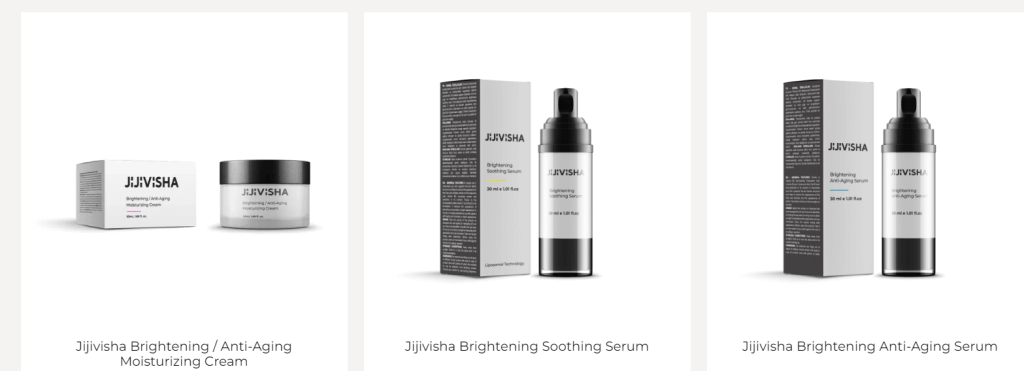
Before you leave, you might want to check out Jijivisha Cosmetics’ anti-aging serums against blemishes that will be great for your skin. Click now, check now!