






Last Chance with Mercury Retrograde Before 2022 Ends!
28 Aralık 2022
2023 Will Be Very Good for These Zodiac Signs!
6 Ocak 2023
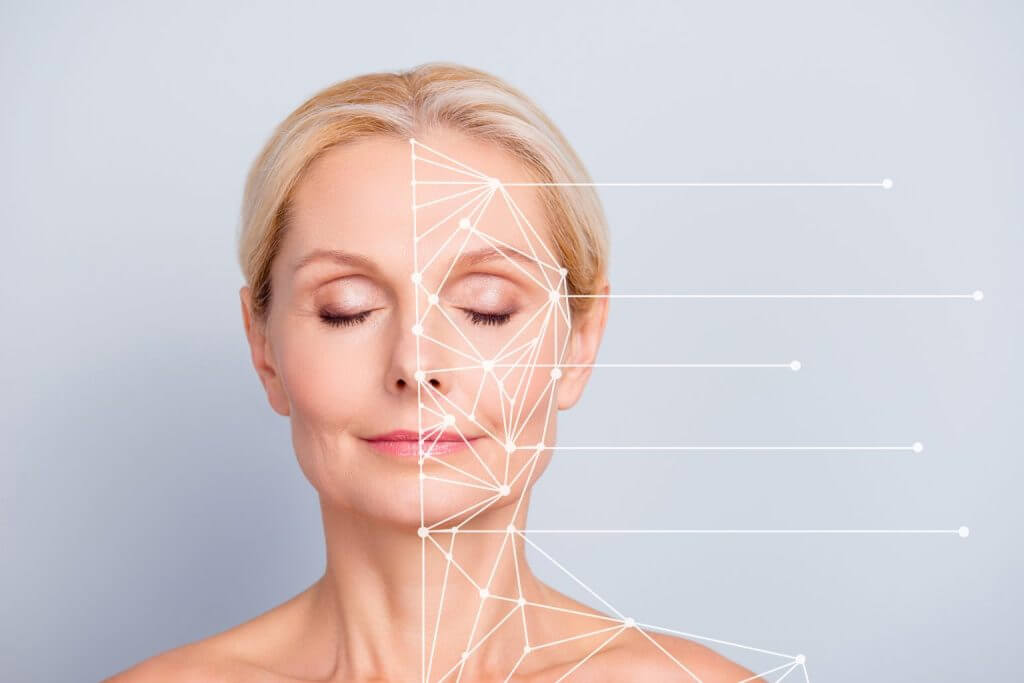
We frequently hear the word “collagen” especially in anti-aging skincare products. So, what is the importance of collagen in skincare? Why does collagen decrease? What can be done to balance decreasing collagen in the skin? Everything you wonder about collagen is in our article…
What Is Collagen?
Before discussing the reasons for the decrease in collagen, let’s briefly define what collagen is. Collagen is the most abundant protein in the human body. It would be accurate to say it is one of the body’s fundamental building blocks. Derived from the word “kolla,” collagen helps hold the tissues in the body together. It gives the skin firmness, resilience, and elasticity, and is also responsible for strengthening connective tissue. Collagen makes up one-third of the tissues in the body. Collagen is found not only in the skin but throughout the entire body, including joints, connective tissue, hair, nails, eyes, and bones.
A decrease in collagen production begins especially after the late 20s. With the decline of collagen, the skin starts to lose firmness. So, why is there a decrease in collagen production after the 20s? Let’s answer that now…
Factors That Cause Collagen Deficiency
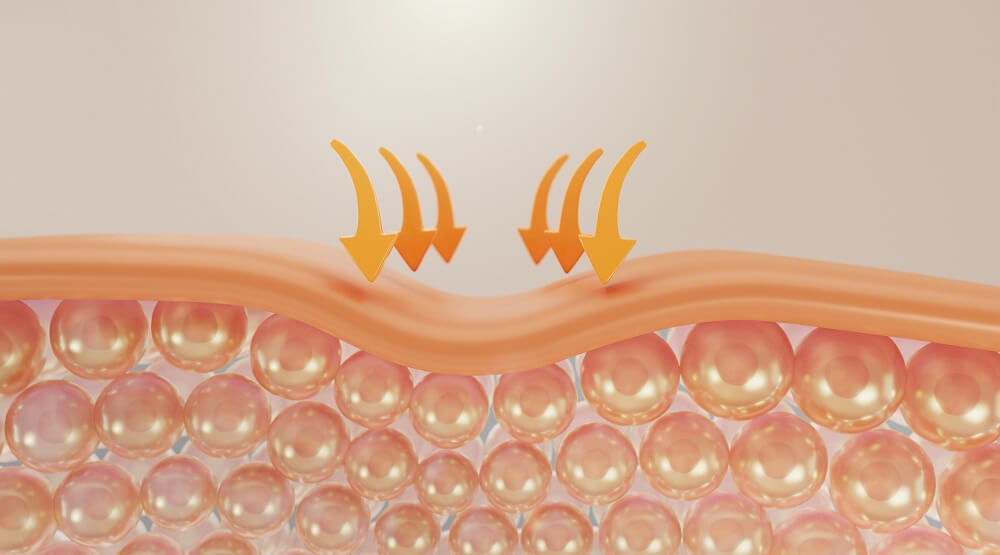
1) Aging: In your 30s, collagen production starts to decline and the first signs of aging may appear on the skin. This is because, in the early 30s, the transfer of moisture from the dermis to the epidermis slows down. As a result, fat cells begin to shrink. This causes the skin to appear dull. By the time you reach your 40s, collagen production decreases much more. The skin begins to lose elasticity. In your 50s, the sebaceous glands shrink considerably and the skin starts to become dry.
2) Prolonged Sun Exposure: As is well known, prolonged contact of the skin with the sun quickly reveals signs of aging. The reason is that UV light damages molecules and DNA. If you expose your skin to the sun without any precautions, melanin pigment increases. This leads to what we call skin spots. When the skin is dry, it cannot maintain its moisture balance. For this reason, collagen production also slows down. In summer, be sure to use a high-SPF sunscreen before going outside.
3) Smoking: Smoking is one of the most important factors that cause signs of aging. With smoking, the blood vessels in the epidermis begin to constrict. This means that blood flow to the skin starts to slow. Consequently, the delivery of other nutrients to the skin also becomes more difficult. At older ages, the collagen and elastic fibers in the skin begin to be damaged. This accelerates the appearance of wrinkles and may lead to sagging.
4) Irregular Diet: Another important reason for collagen decline is an unhealthy diet. Foods with a high sugar content, processed meats, and carbohydrates can have negative effects on the body. Excessive sugar consumption in particular can cause the collagen under the skin to harden and break down. This leads to the early appearance of signs of aging. Drinking plenty of fluids, reducing fat intake, and staying away from sugary foods as much as possible will be the greatest contribution you can make to your skin health.

How to Boost Collagen Production?
We have listed the reasons for the slowdown in collagen production. So, what are the ways to support collagen production? Let’s take a look…
Hyaluronic Acid: It is very important for supporting collagen production in the skin. It is found in foods rich in amino acids such as root vegetables, beans, and soy. Hyaluronic acid can be obtained through diet as well as taken as a supplement.
Antioxidants: Antioxidants, which help protect the body from free radicals, are substances that support collagen production. However, it would be wrong to say that every antioxidant helps increase collagen production. They do, however, contribute to helping existing collagen function at its best. Some foods containing antioxidants include green tea, blueberries, coffee extract, pomegranate extract, basil, and thyme…
Vitamin C: The human body cannot produce vitamin C. Therefore, it is a vitamin that must be obtained externally. As every expert says, vitamin C is one of the most important parts of a healthy diet. Vitamin C is found in high amounts primarily in citrus fruits, as well as in broccoli, strawberries, papaya, and leafy greens. Vitamin C is also present in creams and toners produced for skincare. In this way, you can support your skin with vitamin C in your skincare routine and contribute to increased collagen production.

Retinol: Retinol, which contains vitamin A, can be obtained through foods. It is frequently used to support collagen production in the skin. Retinol is found abundantly in fish, meat, chicken, milk, and dairy products. Retinol is an effective support for extending the lifespan of collagen in the skin. Furthermore, it inhibits certain enzymes that break down collagen.
Magnesium Ascorbyl Phosphate: This substance, a water-soluble derivative of vitamin C, is known as the most stable form of vitamin C. In other words, oxidation does not occur. For this reason, it is known as the most ideal ingredient in cosmetic products. This substance helps minimize early signs of aging by blocking free radicals. It helps prevent collagen decline and supports reducing the appearance of fine lines and wrinkles. It is also known as an antioxidant that reduces stress. It is an important substance especially because it penetrates comfortably and effectively without causing irritation to the skin.
Protecting the Skin Against Environmental Factors: Very cold weather, the sun, pollution, and even dust particles can damage your skin without you even noticing. In this case, the damaged cells need to be renewed. By keeping your skin clean, you can prevent collagen decline. Washing your face daily and doing chemical peels will help protect your existing collagen. Especially in sunny weather, using a sunscreen or lotion suitable for your skin is important to prevent collagen loss. In addition, to protect the delicate skin around your eyes, you should definitely not go outside without sunglasses.
Increasing Fluid Intake: Fluid intake is one of the most important factors in collagen production. If your skin does not get adequately hydrated, it becomes dry, which prevents collagen from repairing the skin. Therefore, you should be careful to increase your daily fluid intake. In this way, you can help prevent skin dryness and thus reduce early signs of aging.
Prepared by: Egemen TOKATLIOĞLU

Support Collagen Production with Jijivisha!
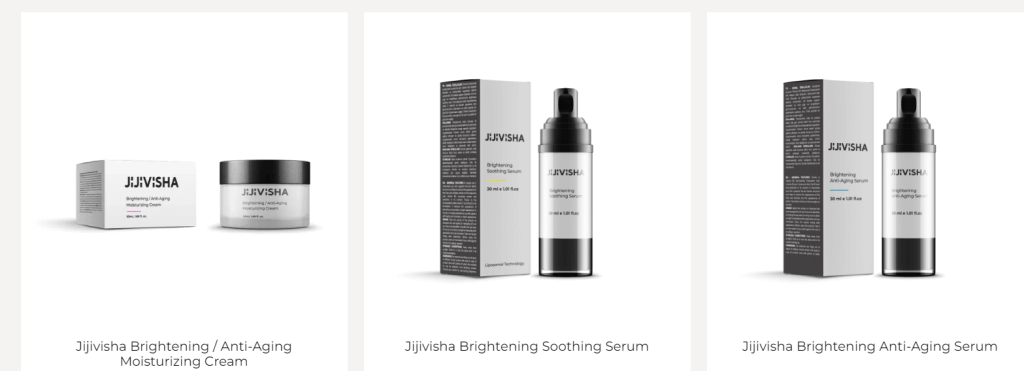
Our Jijivisha Cosmetics skincare products contain the most important ingredients that support collagen production, as mentioned above. Thus, in addition to the benefits provided by the foods you consume, you can achieve much better results with our products that support collagen production. Jijivisha Brightening Soothing Serum helps moisturize your skin thanks to Magnesium Ascorbyl Phosphate, Hyaluronic Acid, Vitamin B5, Cucumber Extract, and Prebiotics, which we also mentioned above, and provides effective support for collagen production.
Jijivisha Brightening Anti-Aging Serum likewise contains many ingredients that support collagen production in the skin. With Vitamin B5, Niacinamide, Tranexamic Acid, Licorice Root Extract, Hyaluronic Acid, Oat Extract, and Prebiotics, it protects your skin against environmental factors, contributes to collagen production, and helps reduce the appearance of fine lines, spots, and wrinkles. The Centella Asiatica Extract, Salicylic Acid, Shea Butter, Lavender Oil, Rosehip Oil, Rice Extract, and Vitamin B5 in the formula of Jijivisha Brightening / Anti-Aging Moisturizing Cream help provide a radiant look to the skin, balance skin tone, and reduce the appearance of wrinkles.
Discover Jijivisha Cosmetics Products That Support Collagen Production CLICK NOW, CHECK NOW!