






What Miracles Will the 2023 Aquarius New Moon Bring?
20 Ocak 2023
Why Do Under-Eye Bags Occur? How to Get Rid of Under-Eye Bags?
3 Şubat 2023

The stress of daily life, using the wrong products, unhealthy nutrition, and environmental factors can wear down our skin without us even realizing it. No matter how careful we are, sometimes we cannot protect our skin enough. So, how can skin quality be improved? What should we pay attention to, and which habits should we give up? By following these tips we have prepared for you, you too can improve your skin quality. Here are the most essential ways to improve skin quality…
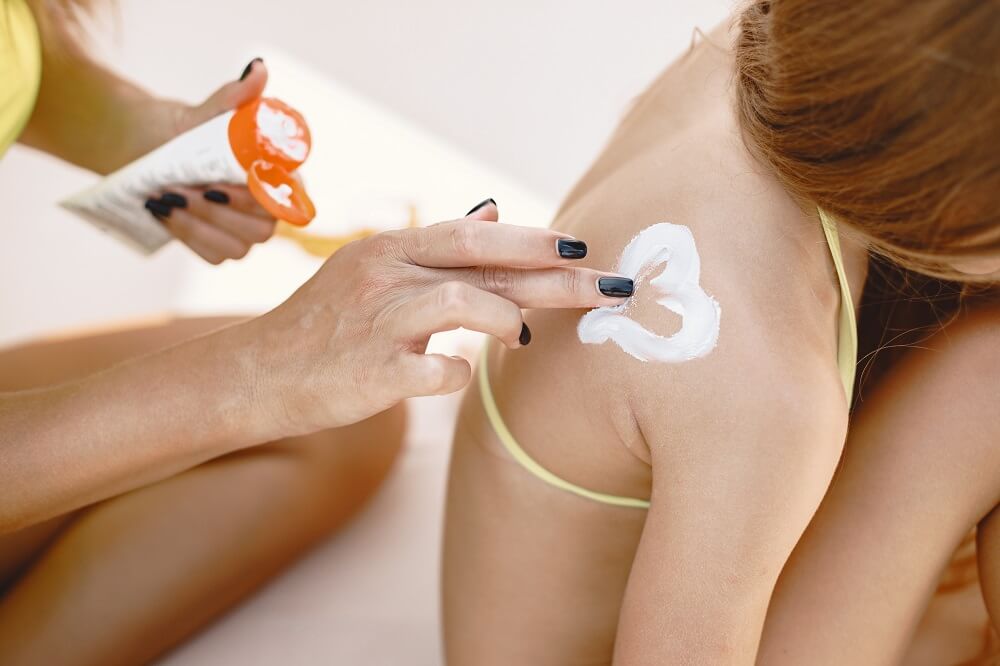
1) Use Sunscreen in Every Season
We now know that sunscreen should be used not only in summer but throughout the year. The harmful UVA-UVB rays of the sun cause the skin to dry out and, consequently, lead to early signs of aging. In addition, harmful sun rays cause spots on the skin, so you should always keep a sunscreen suitable for your skin with you. By carrying a small sunscreen in your bag, you can protect your skin from the harmful effects of the sun at all times.
2) Renew Your Skin with Chemical Peeling, Revitalize with Vitamin C, Nourish with Prebiotics
The purpose of chemical peeling is to separate and exfoliate surface layers. These acids, categorized as water-based (AHA) and oil-based (BHA), are among the most well-known peeling agents. Chemical peeling can be applied to the face, neck, chest, hands, and arms. The acid solution should be chosen according to the person’s skin condition.
There are three types of application: superficial, medium, or deep, depending on the depth level. These treatments help renew your skin, especially in the mentioned areas. However, it’s important not to forget to use moisturizers and sunscreens alongside chemical peeling.

Vitamin C is a vitamin with countless skin benefits, so make sure your product contains it. One of its most important features is helping minimize skin damage. In addition, it supports collagen production, which provides energy and freshness to the skin. It helps reduce dark circles, evens out skin tone, and minimizes early signs of aging.
Prebiotics, also known for their positive effect on the skin, fight against harmful factors such as environmental pollution, sun rays, and free radicals that threaten skin health. They also help reduce fine lines and wrinkles, soothe redness and sensitivity, and support skin hydration. They can also contribute to reducing acne scars and blemishes. In short, you can choose dermocosmetic products with chemical peeling, Vitamin C, and prebiotics to nourish your skin.
3) Protect Your Skin from Extreme Cold and Heat
The skin is highly sensitive to extreme heat and cold, so protecting it against seasonal changes is crucial. In winter, for example, the skin reduces blood circulation to preserve body heat, causing sweat and oil glands to work more slowly. This makes it harder for the skin to receive needed antioxidants and causes it to lose oil. To maintain your skin’s balance, you should use the right products such as moisturizers, gels, creams, and masks suitable for your skin type. Avoid soap-based products, as they can dry out the skin; instead, opt for soap-free lotions.

Just as cold weather can negatively affect the skin, so can heat. High temperatures may clog sweat glands, leading to redness, burning, and itching. Moisture and lack of ventilation can encourage bacterial and fungal growth, irritating the skin. Harmful UVA-UVB rays reduce the skin’s resistance, causing spots, redness, and premature aging. This makes sun protection extremely important.
In hot weather, it’s important to reduce skin oiliness with cleansing products. However, since cleansers can increase sun sensitivity, use them at night, or if used during the day, always follow with sunscreen.
Taking one shower a day during hot summer days is enough for skin health, but avoid excessive showering as it can increase moisture and lead to fungal infections. Don’t ignore the negative effects of both cold and hot weather on your skin—take precautions accordingly.
4) Drink Plenty of Water
Water is the source of life, and its effects on the skin are extremely important. Drinking enough water helps kidneys work properly, supporting organs and the digestive system, which reflects positively on your appearance. Drinking enough water removes toxins from your body and skin, keeping your skin hydrated and glowing.
Adequate water intake is essential for dry, dehydrated skin. The body needs water for cell renewal, and proper hydration helps prevent fine lines and wrinkles. It also reduces puffiness, opens pores, and contributes to healthier-looking skin.
5) Eat Healthy
A healthy diet is essential for maintaining skin health. Vitamins such as A, C, D, and E play a key role in preventing wrinkles and fine lines. Without them, the skin may become too dry or too oily. Vitamins act as antioxidants, benefiting skin health when consumed properly. Foods like chicken, fish, turkey, lemon, grapefruit, kiwi, strawberries, oranges, green peppers, and red peppers provide important vitamins for skin health. With proper nutrition, you can improve your skin quality.

6) Learn to Manage Stress
It’s almost impossible to live without stress nowadays, but controlling it is crucial for your skin. High stress increases cortisol hormone levels, slowing blood flow and reducing skin cell nourishment. Collagen and hyaluronic acid synthesis decreases, leading to dryness and wrinkles. Excessive stress also causes oily skin, clogged pores, and breakouts.
Protecting your skin from stress is in your hands. You can manage stress by resting, exercising, engaging in calming activities, eating healthily, reading, practicing breathing exercises, and meditating. Also, pay attention to sleep quality, as regular sleep is one of the key ways to manage stress.

7) Quit Bad Habits
Habits like alcohol and smoking can cause your skin to age prematurely. Smoking, in particular, leads to skin discoloration. The carcinogenic chemicals in cigarette smoke cause cellular damage, resulting in premature aging, wrinkles, and delayed wound healing. Alcohol dilates blood vessels, bringing more blood to the skin and causing redness and swelling. By quitting these habits, you can improve your skin quality.
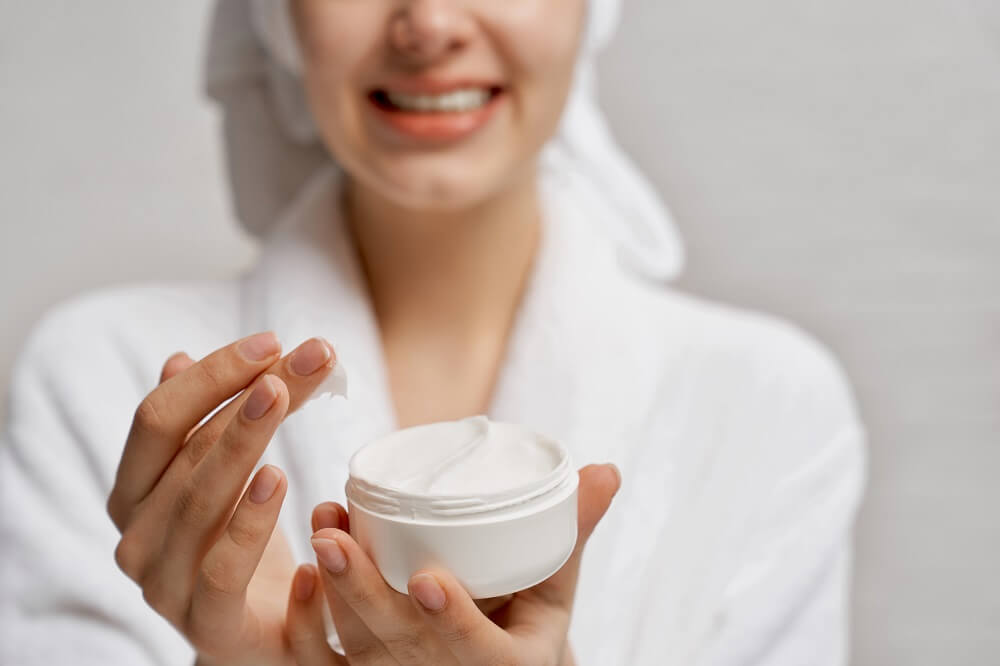
8) Use the Right Products for Your Skin Type
And of course, don’t forget to choose products suitable for your skin type. This is very important in a skincare routine. Which product should be used for which skin type? A little research will help you figure this out. Using the wrong product for your skin type will exhaust your skin and worsen your condition. Whether your skin is oily, dry, or normal, always ensure the product you use is right for your skin type.
9) Don’t Despair, Think Positive!
Don’t let yourself dwell on negative thoughts! Remember, negativity not only harms your skin but also your overall health. Love yourself and free your mind from negative thoughts. The more positive you are, the more you’ll do good for both your skin and overall health.
Prepared by: Egemen TOKATLIOĞLU
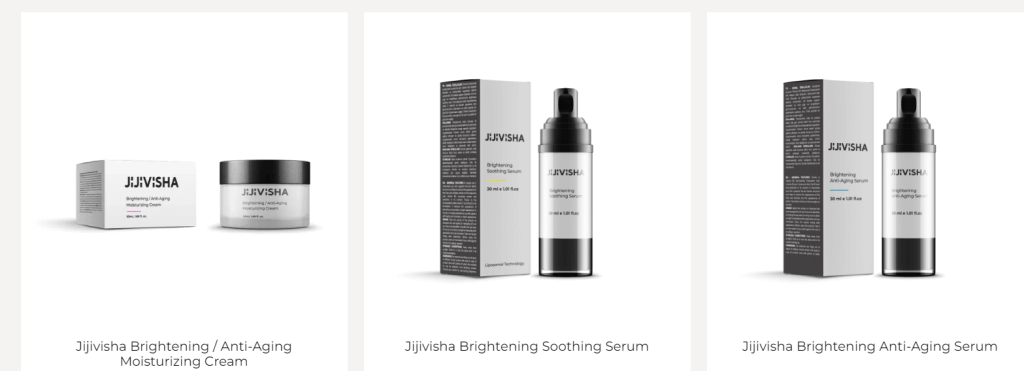
Before you leave, you may want to check out Jijivisha Cosmetics’ anti-aging serums against spots that will do wonders for your skin. Click here to explore now!